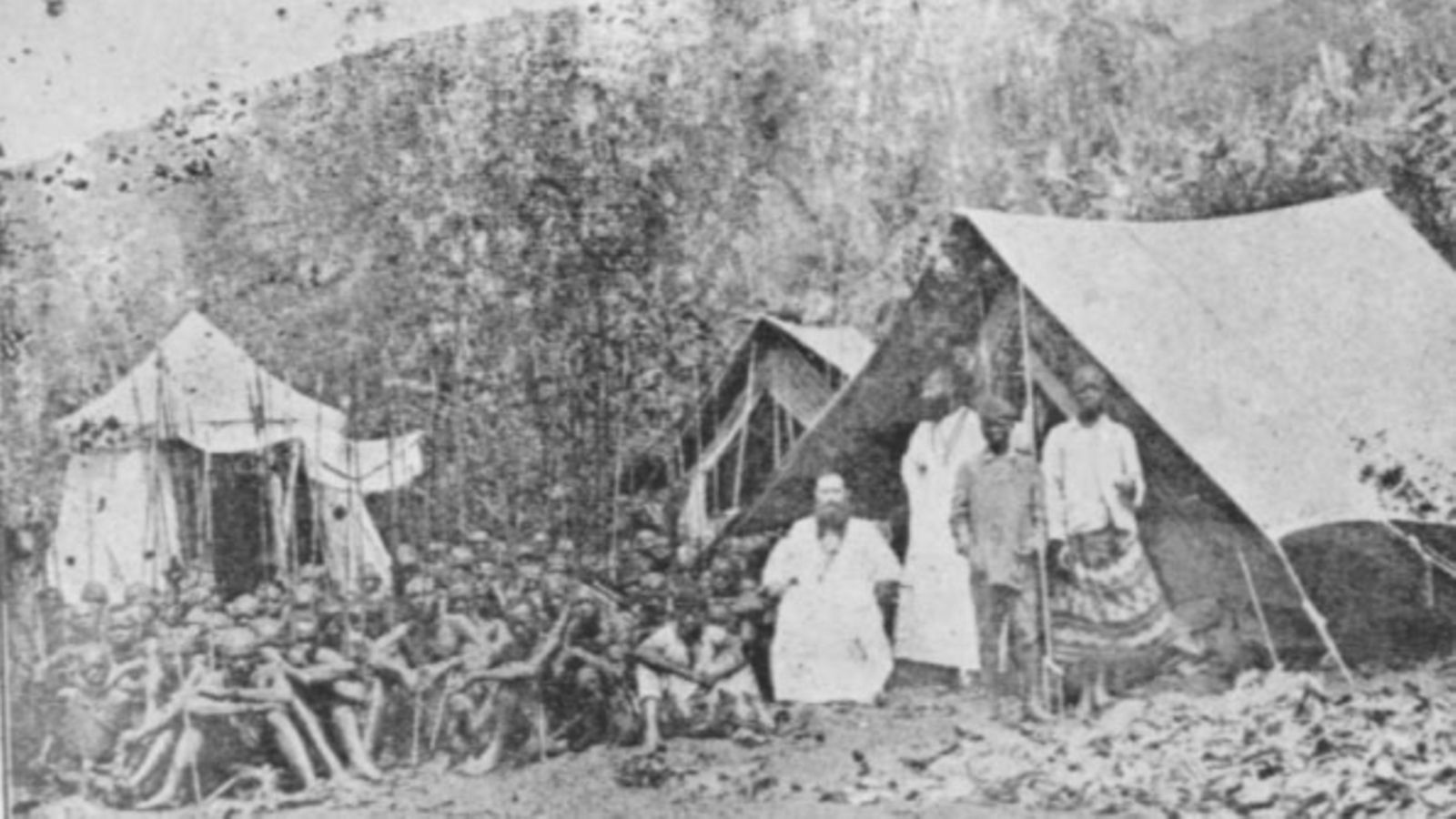
The story of youth ministry in the Church of Uganda begins in 1877, when missionaries Lt. Shergold Smith and Rev. C.T. Wilson of the Church Missionary Society arrived in Uganda at the invitation of the Kabaka of Buganda. Just a few years later, on 18th March 1882, the first seven Anglican converts were baptized. Many of these early believers were young people, some of whom later gave their lives as martyrs. Their courage and devotion established a legacy in which youth have always been central to the mission and witness of the Church.
In 1978, the Church of Uganda introduced its first Youth Policy to provide guidance for ministry among young people. This policy was inspired by the need to involve youth in both church and national development, and it identified disease, poverty, and ignorance as the major challenges facing them. To respond, the policy emphasized four areas: evangelism and outreach, leadership structures, education, and community action. While visionary, the policy was not widely implemented, leaving gaps in discipleship, leadership development, and sustainability.
Over the decades, Uganda’s demographic realities have made youth ministry even more critical. Uganda is one of the youngest nations in the world, with more than 83% of its population under the age of 30. Many of these young people face unemployment, underemployment, and limited opportunities, yet they remain a vibrant resource for the Church and society. This context has underscored the need for intentional discipleship, leadership training, and empowerment of youth as agents of transformation.
After forty years, the Church of Uganda reviewed and updated the Youth Policy in 2019 to address the changing environment. The review was driven by several factors: the narrowing identity of the Anglican Youth Fellowship, amendments to the Provincial Constitution and Canons, and the need for a clear discipleship path. It also sought to respond to new challenges such as drug abuse, false teaching, cults, globalization, family breakdown, and sexual identity crises. The revised policy reaffirmed the timeless principles of discipleship while adapting methodologies to modern realities.
The new vision emphasizes Christ‑centred young people transforming nations. It introduces three distinct age categories—teens (12–17), youth (18–23), and young adults (24–35)—each requiring specialized ministry. It also highlights holistic discipleship, leadership development, employability, advocacy, and meaningful media presence. The underlying theme is comprehensively discipling young people for a kingdom‑focused society, ensuring that the energy, creativity, and faith of youth are harnessed for the advancement of the Church and the transformation of communities.
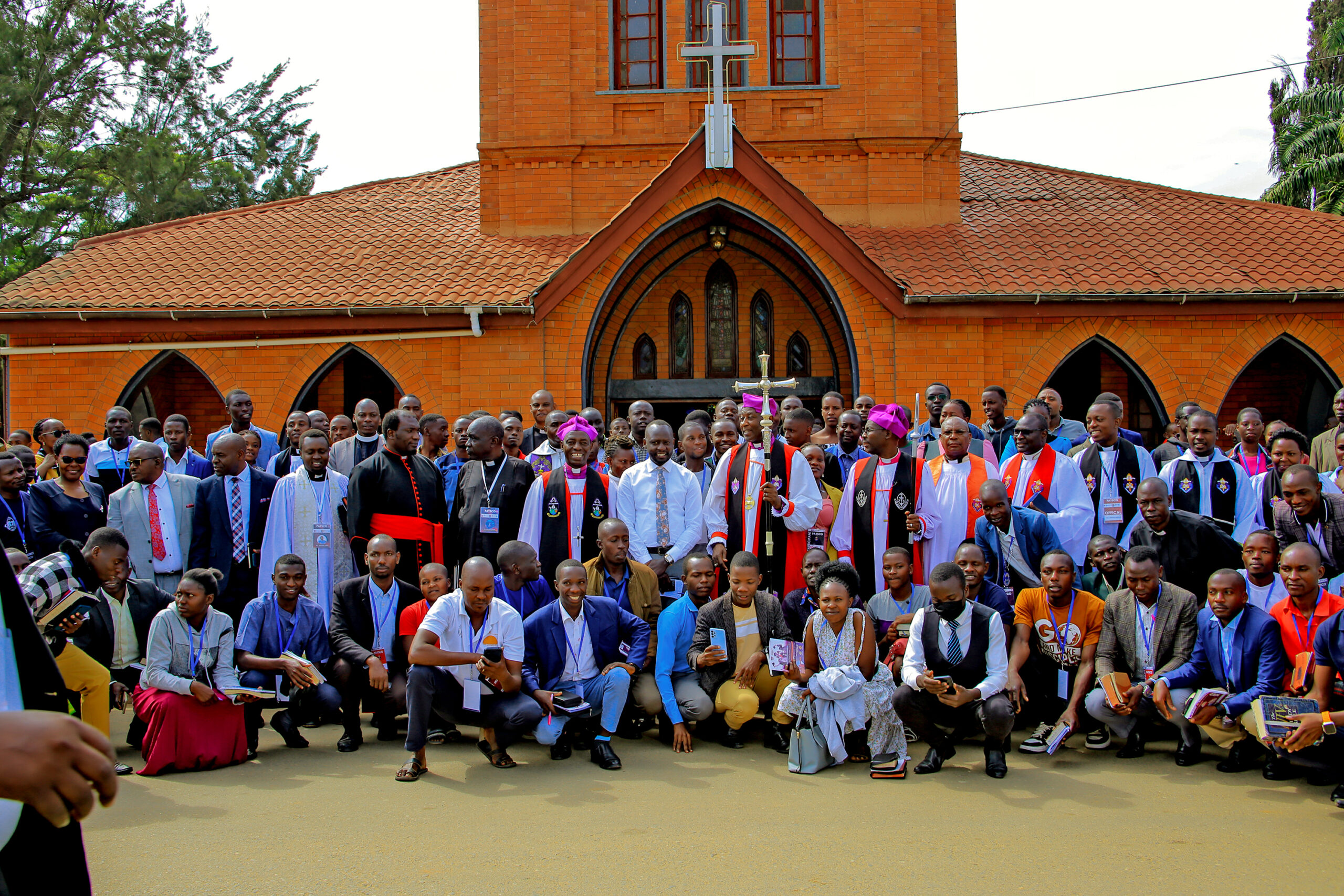
From the martyrs of the 1880s to the youth fellowships of today, the Church of Uganda has consistently recognized young people as a vital force for societal renewal. The Provincial Youth & Students Ministry continues this legacy by equipping youth for leadership in the Church, community, and nation, ensuring that the Kingdom of God is advanced through their gifts, talents, and unwavering commitment.